 By Emery Elliot
Art doesn’t need subtitles or explanations. It’s just something people can get, no matter where they’re from.
Across cultures, artistic expression is often one of the first forms of connection. Even if people don’t speak the same language, they can stand side by side and experience the same visual impact, emotion, or intrigue. Exhibitions and installations in shared spaces create opportunities for those passing through to pause, observe, and reflect, even if only for a moment. In places like Bangkok, public art events like Art Loop are helping make this kind of connection more accessible.
Art invites interpretation, and those interpretations differ depending on where you’re from and how you see the world. That’s what makes it interesting. A single sculpture or mural can carry dozens of meanings depending on who’s looking at it. When people from different backgrounds talk about what they see or feel, it becomes a conversation that extends beyond the artwork. These moments can happen at outdoor exhibits, gallery spaces, or even digital displays in metro stations.
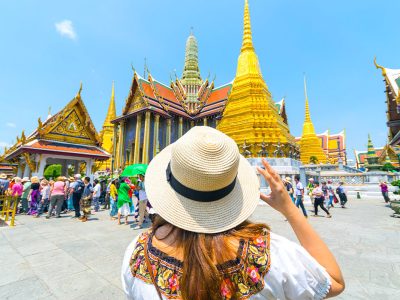
Modern cities like Bangkok are cultural mashups. Local artists often incorporate traditional Thai elements while drawing inspiration from global movements. This kind of creative fusion invites viewers to consider both what’s familiar and what’s new. It also helps international visitors understand a little more about the city and the people who live in it. Art Loop installations, for example, give both locals and tourists a shared space to explore perspectives through creative media.
Installations and visual projects can become icons in themselves. Think of murals that pop up in conversations or photos, or interactive pieces that invite the public to contribute or engage. These works become more than decorations. They shape the identity of a neighborhood, build curiosity, and even become part of how people remember their time in a city. In areas focused on community design, art contributes to the rhythm of daily life.
So when art shows up in public spaces, it’s not just about aesthetics. It’s about opening a window between people, where shared curiosity replaces cultural barriers.
In Bangkok’s evolving urban scene, the inclusion of interactive and immersive art pieces has started to play a bigger role in shaping how public space is used. Rather than treating art as background decoration, many city planners and building developers are now working with artists from various disciplines to design work that fits into the daily rhythms of street life. These pieces might shift with the seasons, respond to movement, or include QR codes that offer extra digital layers of interpretation.
This kind of integration helps bridge generations too. Young people might be drawn to digital or pop-style artwork, while older locals may find cultural references in traditional motifs. When different age groups gather around the same piece of art, something rare happens: an organic, intergenerational exchange built entirely around shared curiosity.
It’s also worth mentioning that temporary exhibitions and mobile galleries are expanding access to art beyond formal institutions. Events that move through public parks, shopping centers, or train stations make creative experiences part of daily life rather than something reserved for the elite or the academic. In doing so, these initiatives bring art to people who might not have otherwise gone looking for it.
All of this reinforces a simple truth. When cities invest in art that invites interpretation, they’re not just decorating. They’re encouraging conversations that might never have happened otherwise.