 By Emery Elliot
Southern Thailand has long been associated with coastal beauty, but its maritime traditions extend beyond tourism. For travelers interested in understanding local production rather than only scenic views, a Phuket cultural tour that includes pearl farming offers a structured and informative experience. Pearl cultivation combines marine biology, craftsmanship, and long term environmental management in ways that are not always visible from the shoreline.
Pearl farming requires patience and controlled conditions. Unlike wild pearl discovery, which depends on natural chance, modern farms cultivate pearls through careful intervention and monitoring. The process begins with selecting suitable oyster species and maintaining clean marine environments that support healthy growth.
The Cultivation Process
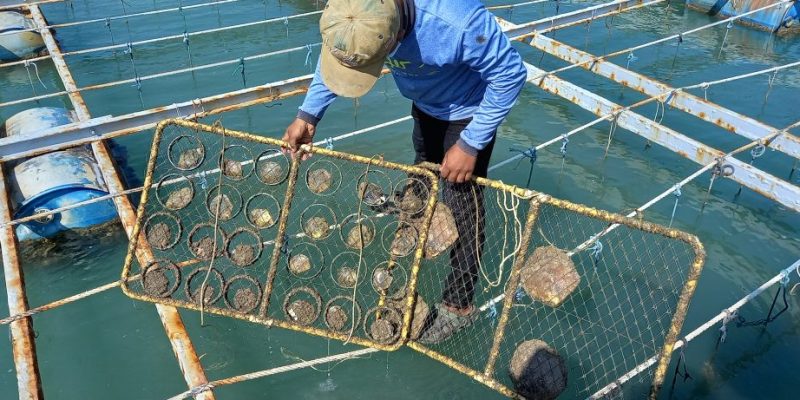
Pearl production starts by implanting a small nucleus into a carefully selected oyster. This procedure must be performed precisely to avoid damaging the animal. Once implanted, the oyster begins to coat the nucleus with layers of nacre, the material that forms the pearl’s surface.
The oyster is then returned to the water and monitored over time. Growth can take several years depending on the desired size and quality. During this period, farmers regularly clean and inspect oysters to ensure they remain healthy. Water quality plays a central role in determining final appearance.
Environmental stability affects both color and luster. Changes in temperature, salinity, or pollution levels can influence pearl development. Farms therefore maintain close oversight of marine conditions to support consistent results.
Environmental Considerations
Responsible pearl farming depends on maintaining balanced ecosystems. Oysters require clean water, and farms often act as stewards of their surrounding marine areas. Monitoring pollution levels and limiting overcrowding reduces stress on oyster populations.
Sustainable practices help protect long term viability. Farms that prioritize environmental care contribute to broader coastal health. This connection between cultivation and conservation forms part of the educational component during guided visits.
Sorting and Grading
After harvesting, pearls are cleaned and evaluated. Grading considers size, shape, surface quality, and luster. Perfectly round pearls are rare and typically command higher value. However, variations in shape can also appeal to designers seeking distinctive forms.
Sorting requires trained assessment. Minor surface differences can influence classification. Color variations, from white to cream and occasionally darker tones, result from both oyster species and environmental conditions.
Visitors observing this stage gain insight into how natural variation influences pricing and design choices.
From Farm to Finished Piece
The final stage involves setting pearls into jewelry. Skilled artisans match pearls carefully to create balanced necklaces, earrings, or rings. Consistency in color and size becomes important when assembling multi pearl designs.
Understanding the journey from oyster to finished piece adds context to the final product. Rather than viewing pearls as purely decorative items, visitors see the time, care, and technical knowledge involved in their creation.
Pearl farming in southern Thailand reflects a blend of marine science and traditional craftsmanship. Through guided visits, guests gain exposure to each stage of cultivation and processing, providing a deeper appreciation of how these coastal industries operate beyond their aesthetic appeal.